Posted by Planet Pantry on 3rd Sep 2026
How to Choose the Right Plate for Every Meal | Planet Pantry
How to Choose the Right Plate for Every Meal
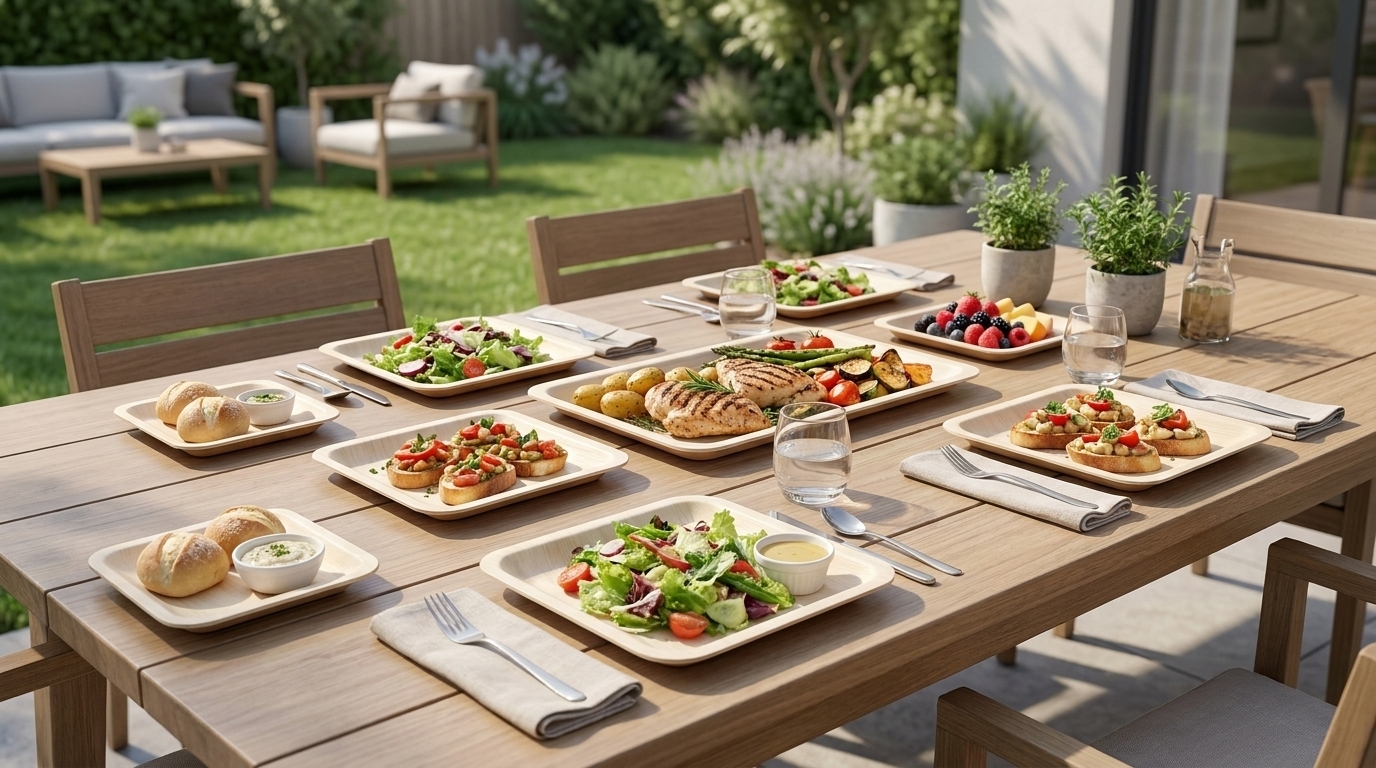
Choosing the right plate starts with the food you’re serving. Small bites and desserts usually need less surface area, while main courses benefit from more room. Foods with sauces, fruit, or smaller pieces may work better in a bowl, while long or shared foods can be easier to serve on rectangular plates or trays.
The simplest approach is to think about three things: portion size, type of food, and how the dish will be served.
1. Start With the Meal, Not the Plate
Before choosing a plate, think about what you’re serving and how people will eat it.
A dessert doesn’t need the same amount of space as a full entrée. A salad may need more room to spread out, while fruit, snacks, or foods with dressing can benefit from a little more depth.
Start by asking a few simple questions:
Is this a small bite, appetizer, or dessert?
Is it a full meal?
Does the food need extra depth?
Will guests eat individually or share the dish?
Is the food long, narrow, or easier to arrange in a line?
Answering those questions first makes it much easier to choose the right piece.
2. Use Smaller Plates for Appetizers, Desserts, and Light Portions
Smaller plates work well when the food itself is meant to be a smaller portion.
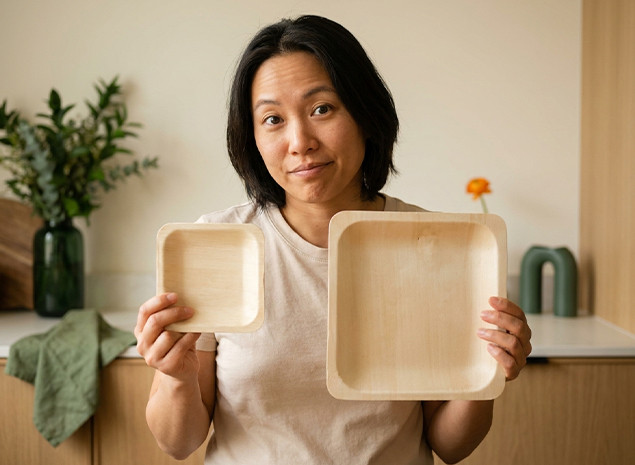
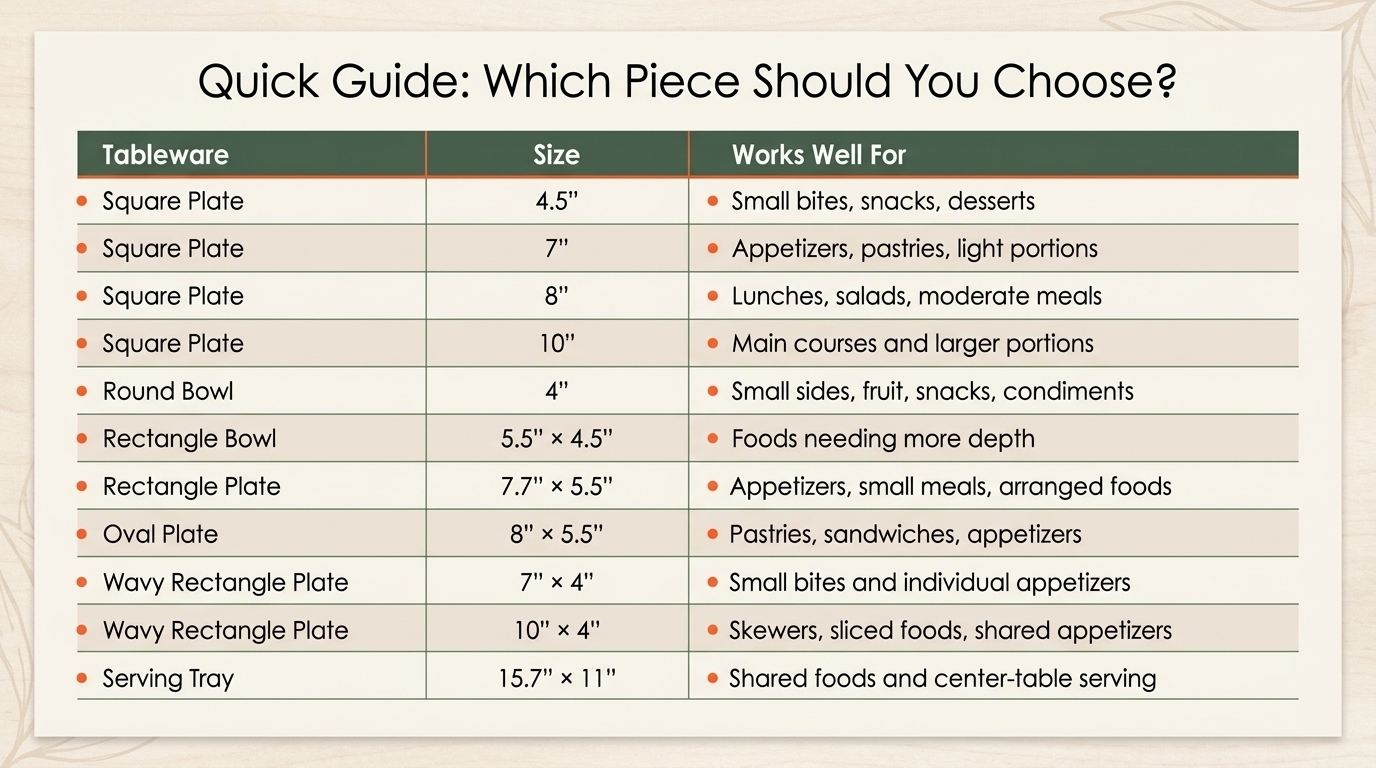
A 4.5-inch square plate can be useful for small desserts, individual snacks, tasting portions, or a few bite-sized foods.
When you need a little more room, a 7-inch square plate gives you additional space without feeling oversized. It can work well for appetizers, pastries, small salads, desserts, or lighter portions.
Smaller plates also help keep the food visually contained. Instead of leaving a small serving isolated in the middle of a large plate, the food can feel more naturally proportioned to the surface around it.
For larger portions, however, moving up to a larger plate usually gives the meal more breathing room.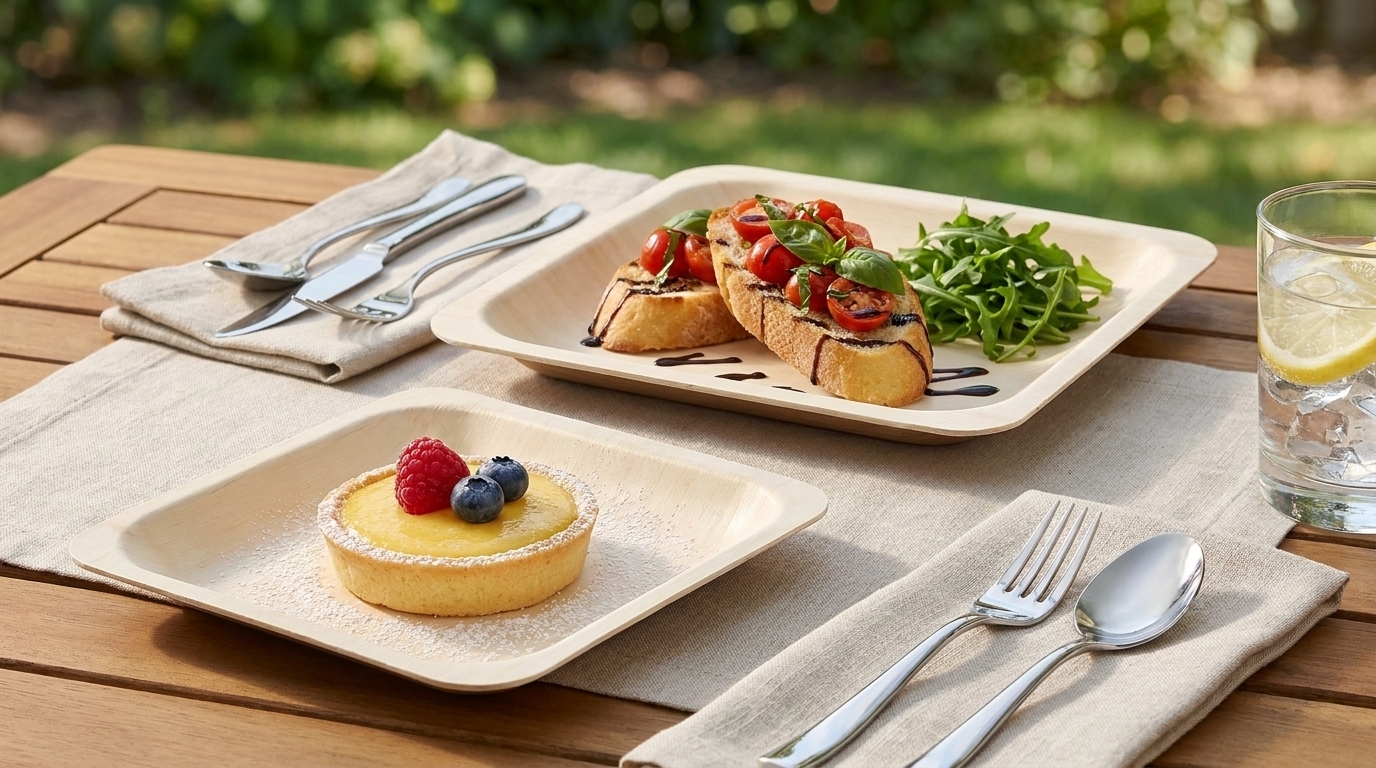
3. Give Main Courses More Space
Main dishes usually need a larger surface so the entrée and sides have enough room without feeling crowded.
An 8-inch square plate offers more space for lunches and moderate portions, while a 10-inch square plate is better suited to meals that include a main dish with one or more sides.
Think about meals such as pasta, grilled vegetables, salads with several ingredients, or a main entrée served alongside sides.
The goal isn’t simply to use the largest plate available. It’s to choose enough space for the food to sit comfortably without making the portion look lost or forcing different foods on top of one another.
For a full meal, the 10-inch option gives you the most surface area among the square plate sizes in the collection.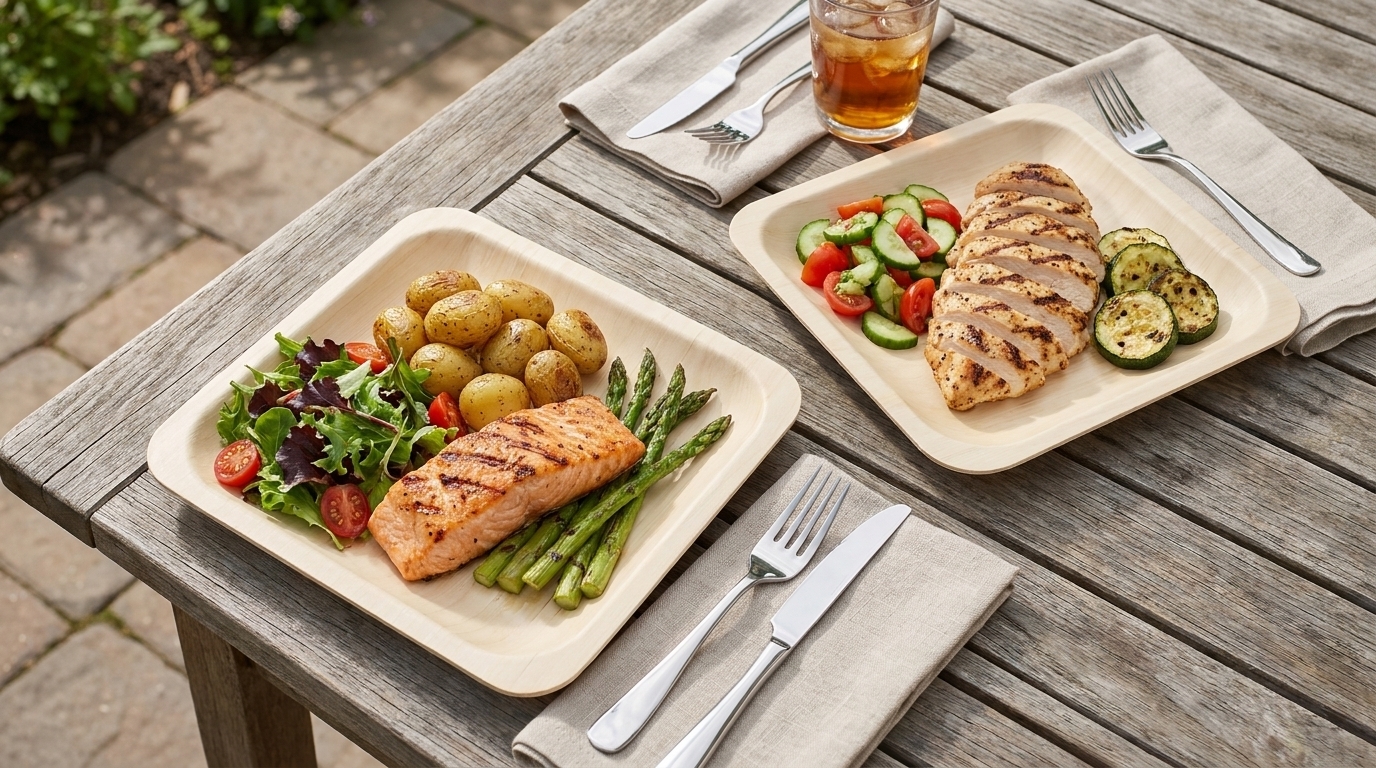
4. Choose a Bowl When the Food Needs More Depth
Bowls are useful when food needs to stay contained rather than spread across a flat surface.
The 4-inch round bowl is the smallest piece in this group and can work for small sides, fruit, snacks, condiments, or other compact servings.
For something that needs a little more space, the 5.5 × 4.5-inch rectangular bowl provides a broader shape while still giving the food more depth than a flat plate.
Bowls can be especially practical for foods that include dressing, sauce, small loose ingredients, or items that are easier to scoop than cut.
A simple rule is: if the food tends to move, roll, or spread when placed on a flat plate, a bowl may be the more practical option.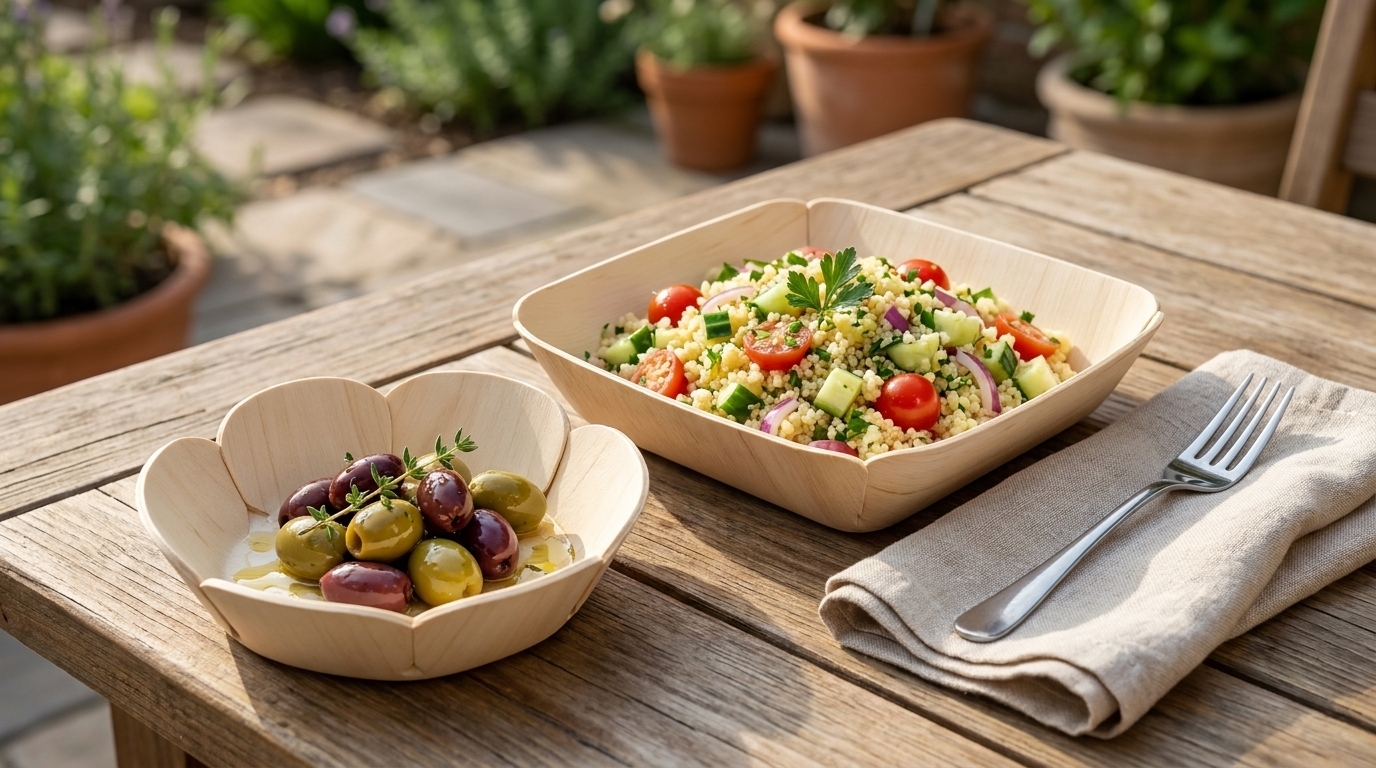
5. Use Different Shapes to Match the Food
Plate shape can help with presentation and make certain foods easier to arrange.
An 8 × 5.5-inch oval plate provides an elongated surface that can work well for pastries, appetizers, sandwiches, or foods that look more natural when arranged lengthwise.
The 7.7 × 5.5-inch rectangular plate provides a similar alternative for small meals, appetizers, or foods you want to arrange in a more structured layout.
For narrower foods, the 7 × 4-inch wavy rectangular plate can work for small bites or individual appetizers, while the larger 10 × 4-inch wavy rectangular plate gives more room for foods such as skewers, sliced items, or a longer arrangement of shared bites.
Different shapes aren’t only decorative. They can help the surface of the plate better match the natural shape of the food being served.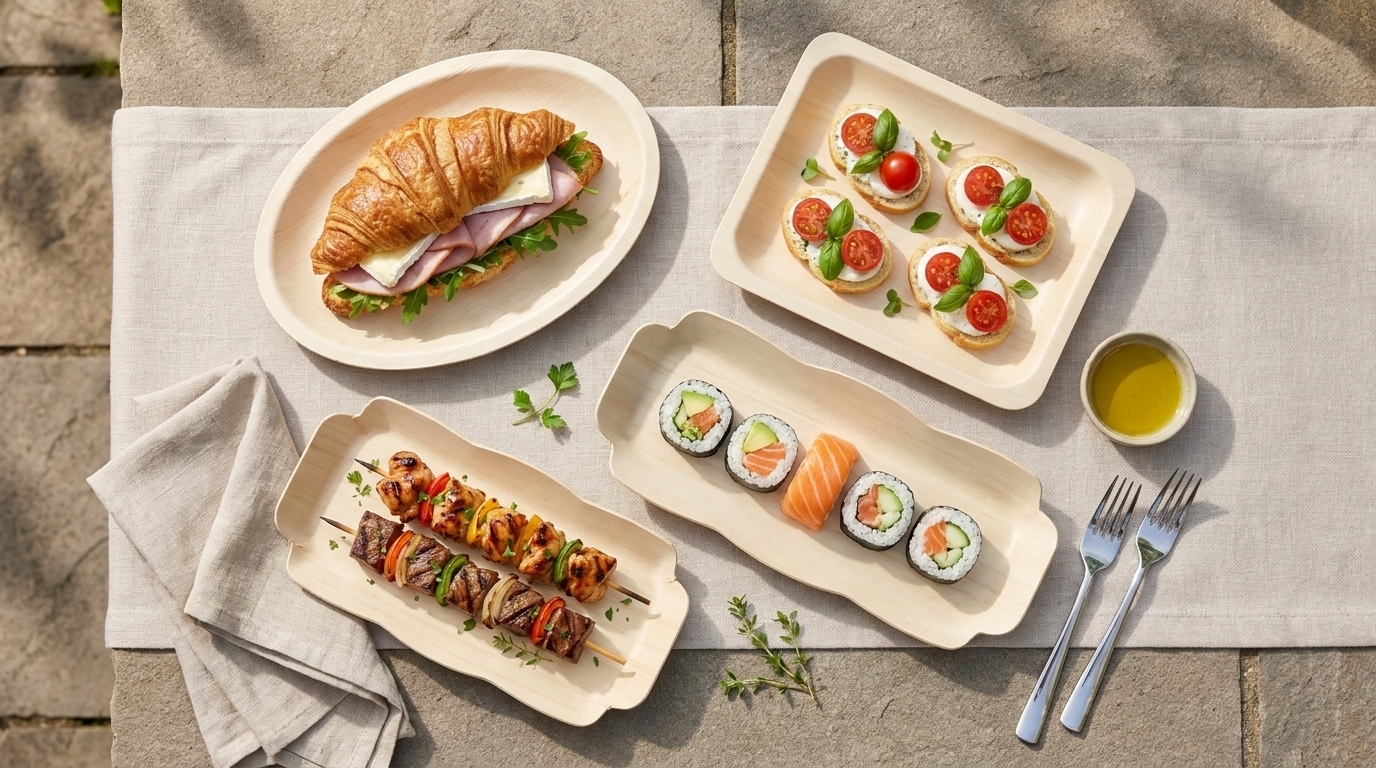
6. Use a Large Serving Tray for Shared Food
When several people will be serving themselves from the same dish, a larger surface makes more sense than an individual plate.
At 15.7 × 11 inches, the rectangular serving tray is the largest piece in the collection.
Its larger surface provides space for foods designed to sit at the center of the table, such as breads, pastries, appetizers, snacks, or other shared foods.
It can also help separate serving pieces from individual place settings. Guests can take what they want from the shared tray and move the food onto their own plates.
For gatherings, this creates a simple distinction:
Individual plates are for eating. Larger trays are for sharing.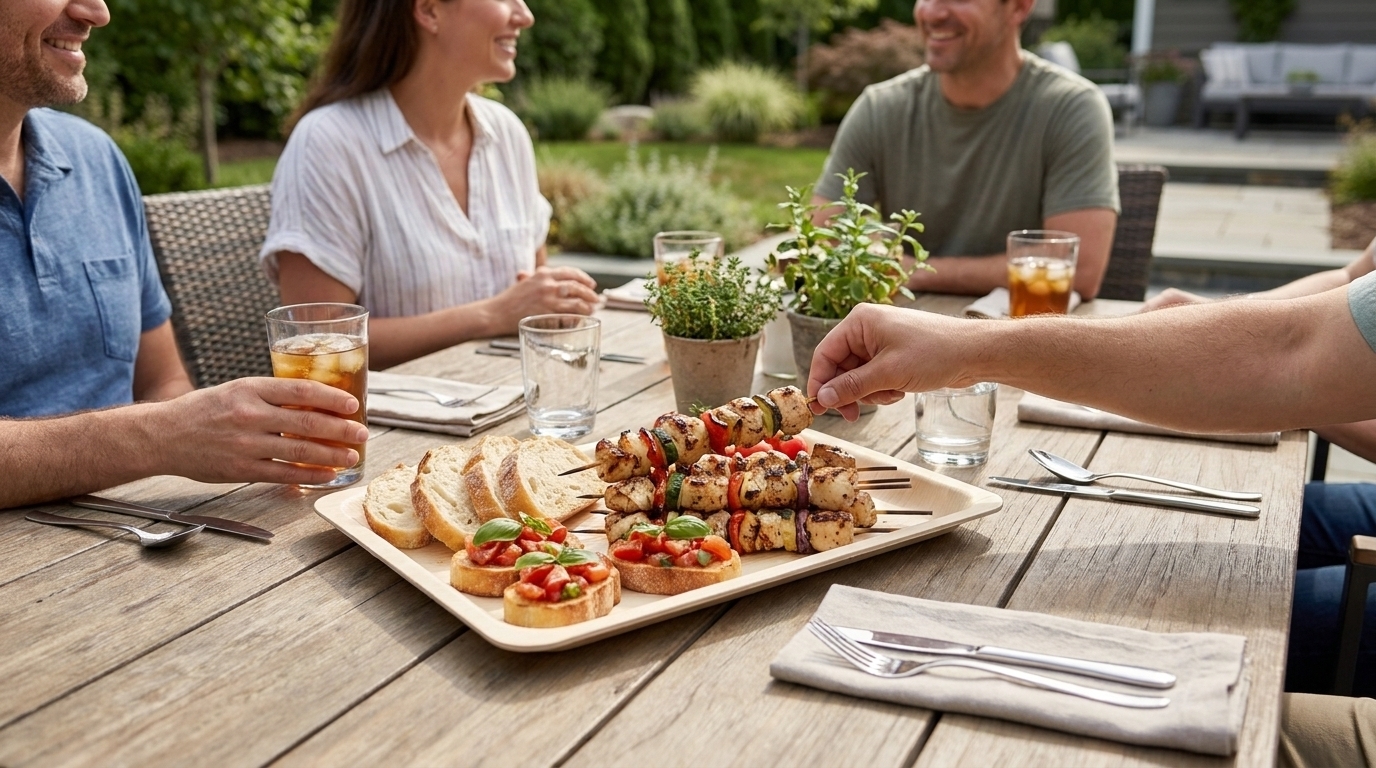
Frequently Asked Questions
What size plate should I use for appetizers?
For small appetizers or bite-sized foods, a 4.5-inch or 7-inch plate can provide enough room without making the serving feel undersized. The amount of food and how it is arranged should guide the final choice.
What size plate is good for a main course?
An 8-inch plate can work for moderate meals, while a 10-inch plate provides more room for a main dish with sides. If several foods need to fit on the same plate, the larger surface is usually more practical.
When should I use a bowl instead of a plate?
Choose a bowl when the food needs more containment or depth. Fruit, small sides, snacks, foods with dressing, and loose ingredients may be easier to serve in a bowl than on a flat plate.
Does the shape of a plate matter?
It can. Round and square pieces are versatile for individual portions, while oval and rectangular shapes can work well for long foods, appetizers, pastries, skewers, and foods that are arranged in a row.
Find the Right Piece for Every Meal
The right tableware doesn’t need to make serving complicated. Start with the food, consider the portion and how it will be eaten, then choose a shape and size that gives everything the space it needs.
Explore the Planet Pantry collection to find plates, bowls, and serving pieces for everything from small bites to shared gatherings.
Explore the Collection